Transform Your Smile

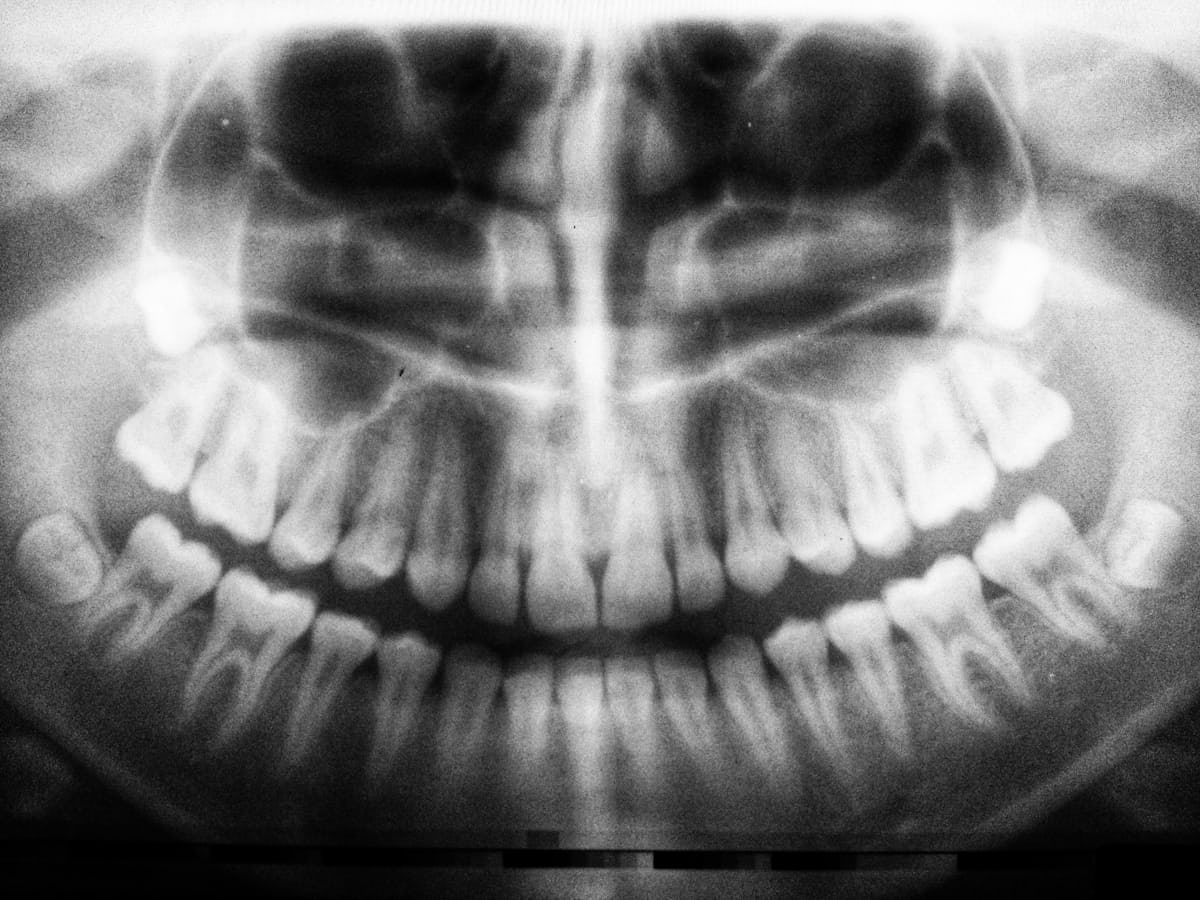
When the soft tissue inside a tooth becomes infected or severely damaged, root canal therapy is often the best way to save the tooth and relieve pain. At Dentistry On Yorkdale, Dr. B. Rosales Verzonilla and Associates performs gentle, precise root canal treatments to help patients in Toronto keep their natural smiles intact. Despite its reputation, modern root canal therapy is a comfortable, routine procedure — and one that can spare you from the far greater discomfort of an untreated infection or tooth loss.
Root canal therapy — sometimes simply called a root canal — is a dental procedure that treats infection or damage deep inside a tooth. Every tooth contains a soft inner tissue called the pulp, which is made up of nerves, blood vessels, and connective tissue. The pulp sits within narrow channels called root canals that extend from the centre of the tooth down through the roots and into the jawbone.
When the pulp becomes inflamed or infected due to deep decay, a crack or fracture, repeated dental procedures on the same tooth, or an injury, it can cause significant pain and lead to a dental abscess if left untreated. Root canal therapy removes the infected or damaged pulp, cleans and disinfects the inside of the tooth, fills and seals the canals to prevent reinfection, and preserves the natural tooth so it can continue to function normally.
After a root canal, the tooth is no longer "alive" in the sense that it no longer has nerve tissue inside, but it remains fully functional. It can still bite, chew, and last for many years — especially when protected with a dental crown afterward.
Many patients are unsure whether their symptoms point to a root canal or something less serious. While only a proper examination and X-ray can confirm the diagnosis, there are several common warning signs to be aware of.
Persistent or severe toothache is the most common indicator. The pain may be constant or may come and go, and it can range from a dull ache to a sharp, throbbing sensation. The pain often worsens when biting down or applying pressure to the tooth.
Prolonged sensitivity to hot or cold is another sign. It is normal for teeth to feel brief sensitivity when eating something very hot or cold, but if the sensation lingers for more than a few seconds after the source is removed, the pulp may be inflamed or dying.
Darkening or discoloration of the tooth can indicate that the nerve tissue inside is breaking down. A tooth that gradually turns grey, dark yellow, or brown compared to the surrounding teeth should be evaluated.
This is the question patients ask most often, and the honest answer is that a root canal should not be painful. The procedure is performed under local anaesthesia, so the tooth and surrounding tissues are completely numb. Most patients compare the experience to having a routine filling done.
Choosing not to treat an infected tooth can lead to serious consequences that extend well beyond the tooth itself.
Most root canals are completed in a single visit lasting 60 to 90 minutes. Teeth with multiple root canals, such as molars, may take slightly longer
In almost every case, saving your natural tooth is the preferred choice. A natural tooth functions better than any replacement, maintains bone density in the jaw, and avoids the additional cost and complexity of implants or bridges. Extraction is typically recommended only when the tooth truly cannot be saved.
Root canal therapy is generally considered safe during pregnancy, particularly during the second trimester. Untreated dental infections can pose a risk to both mother and baby, so it is important not to delay necessary treatment. Dr. Verzonilla will take all appropriate precautions, including using pregnancy-safe anaesthesia and avoiding unnecessary X-rays.
Dentistry On Yorkdale:
(Mon to Sat 9 am to 5 pm, Sun Closed)
(416) 653-9648
St Clair West Dental Office:
(Wed, Fri & Sat 9 am to 5 pm, Other Days Closed)
(416) 653-3368